
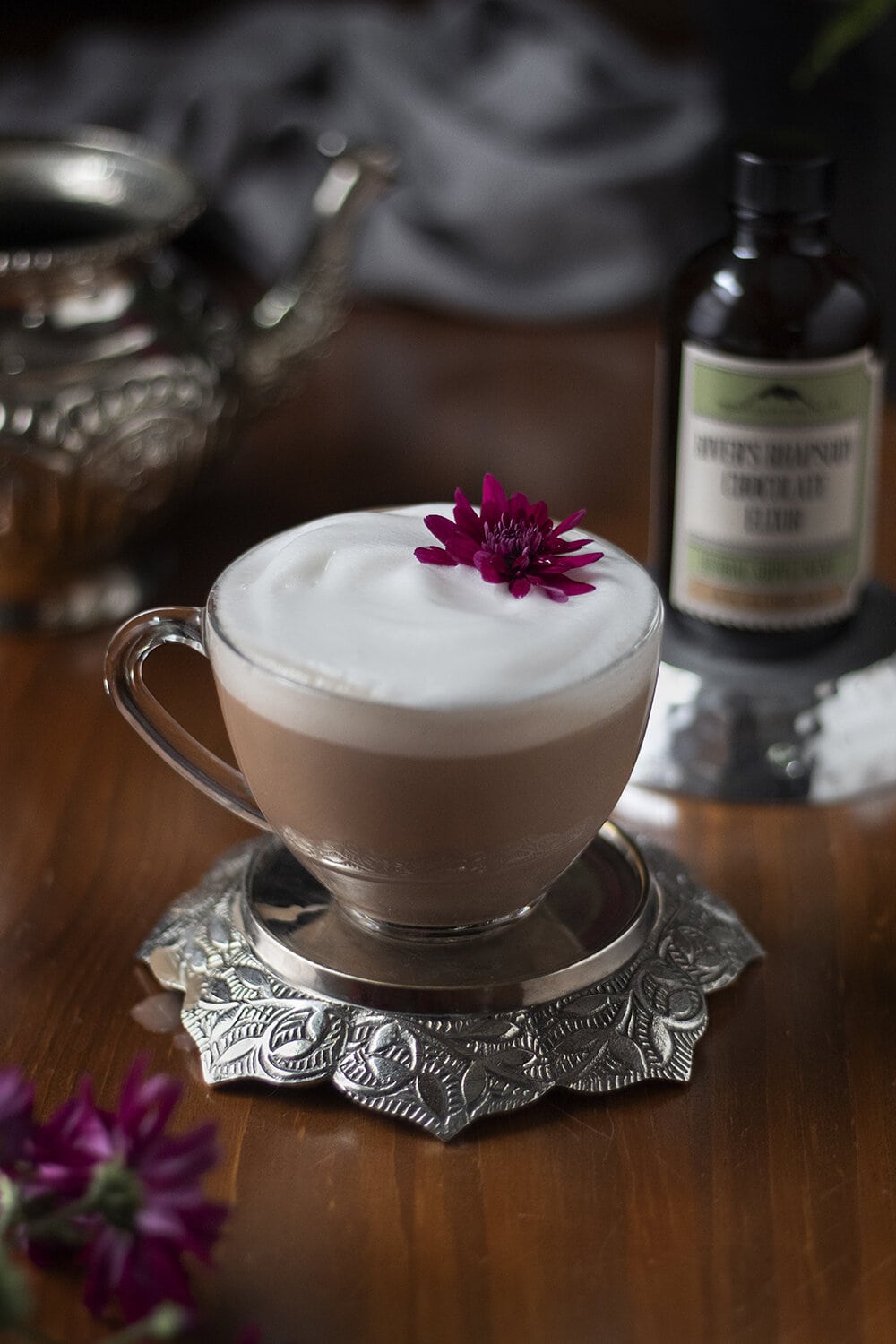
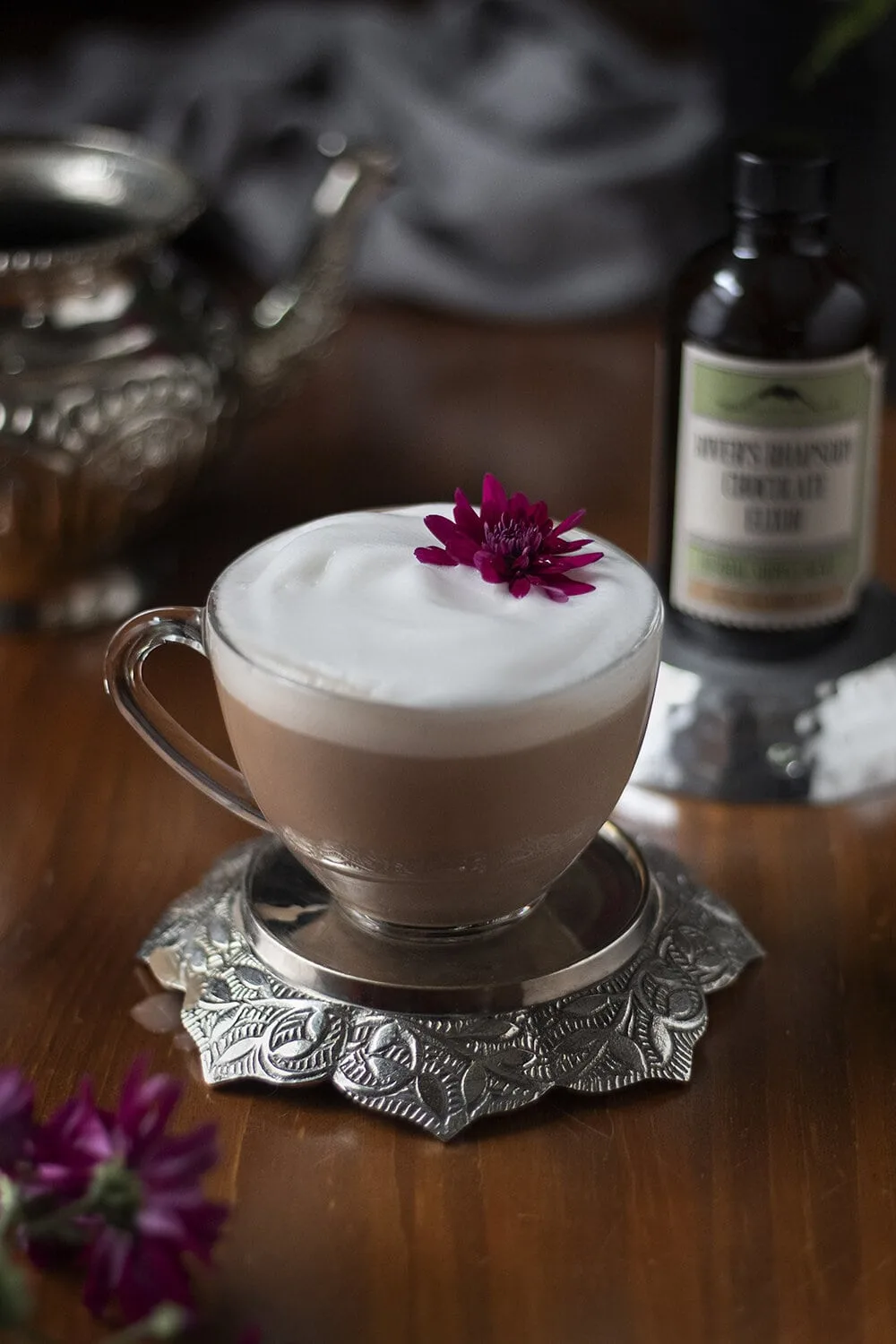
The end of October signals the beginning of the busiest time of the year! From Halloween through New Year’s, there’s one occasion after another to eat, drink, and be merry. As they say, it’s the “most wonderful time of the year”, but it can also be pretty stressful and exhausting. Sometimes at the end of the day, I just want to curl up with a warm, cozy, alcohol-free nightcap. I want something calming and soothing to help lull me to sleep, and for me that’s moon milk!
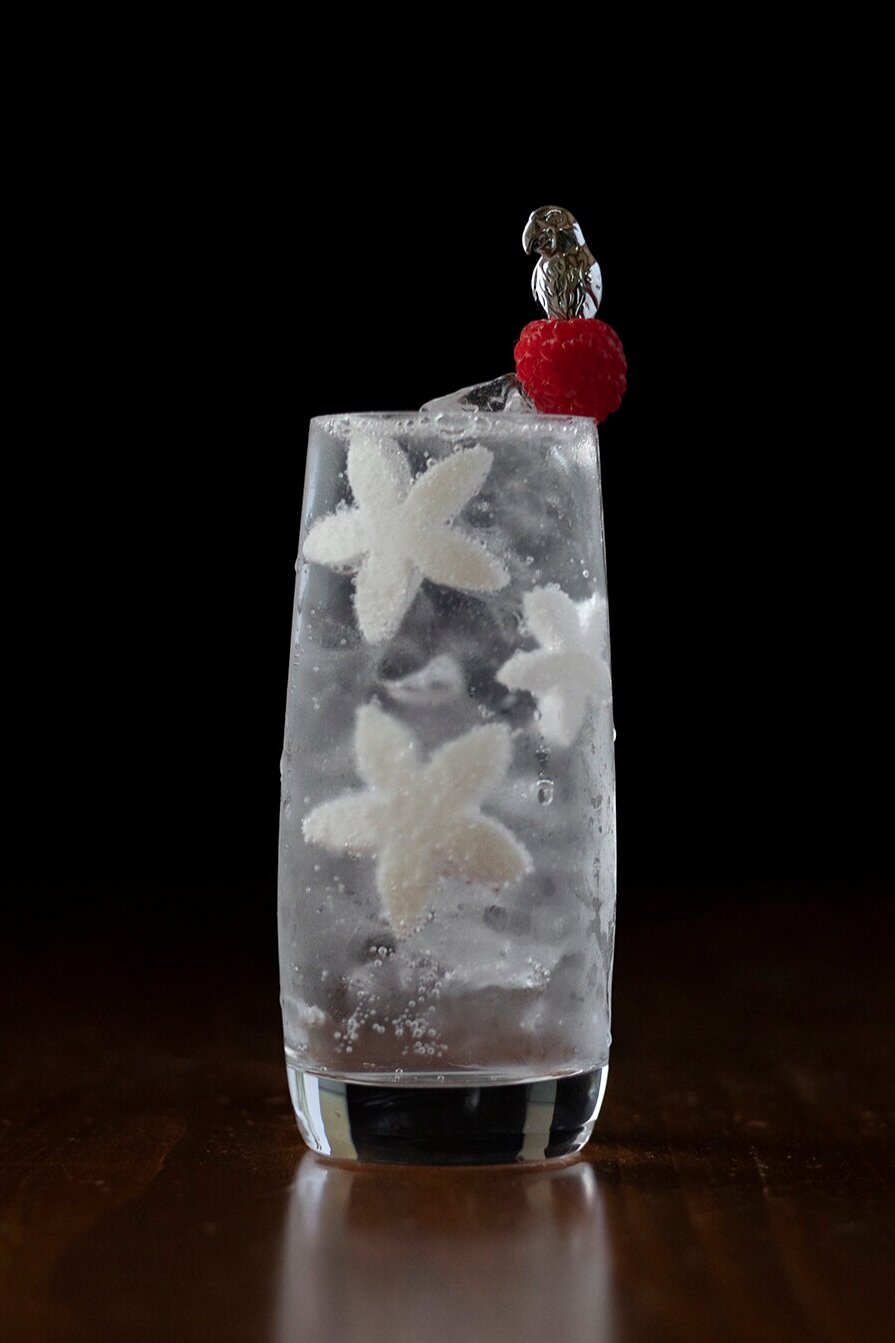
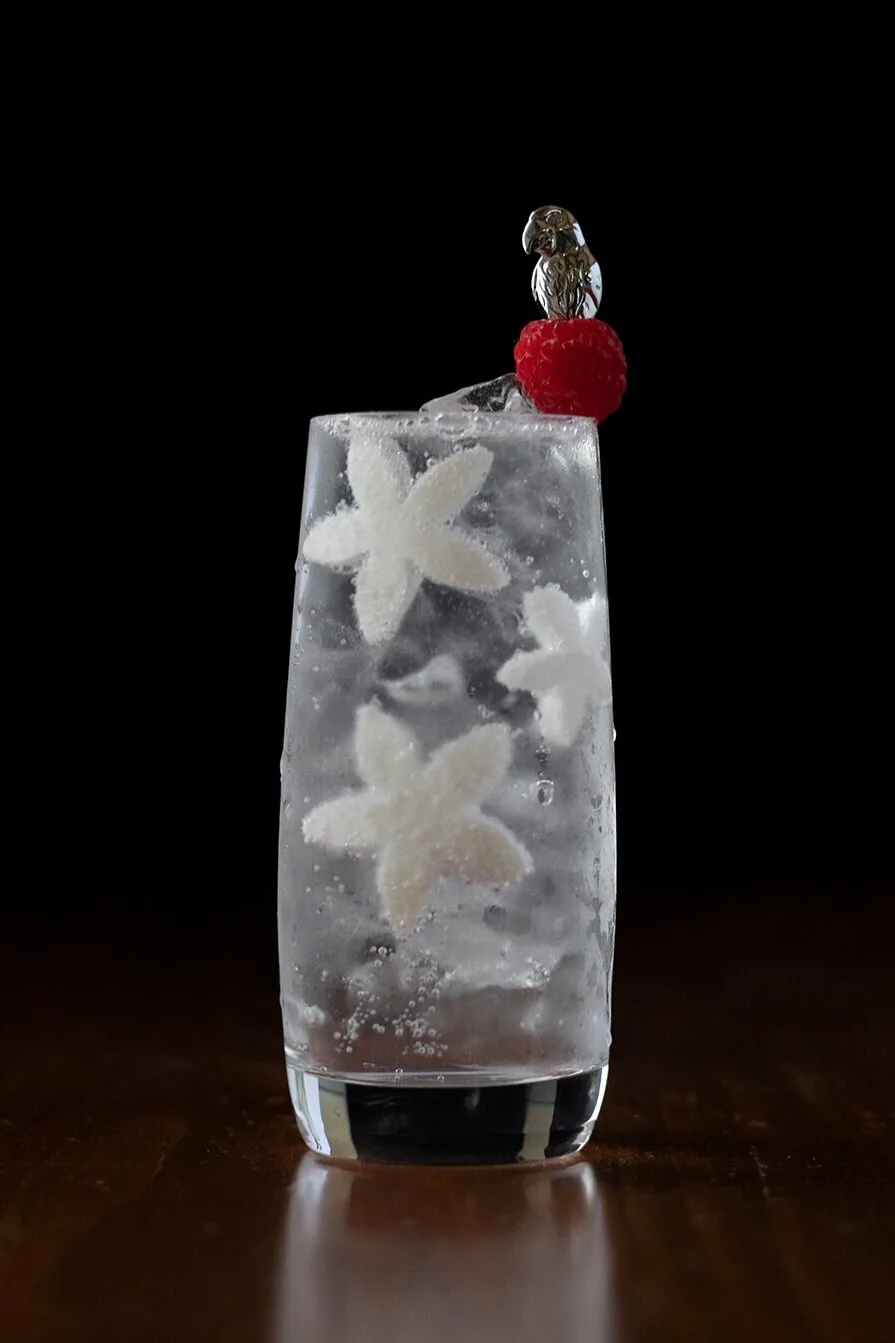
The Vodka Soda is pretty much the un-cocktail. It’s typically meant to be as tasteless and chuggable (is that a word?) as possible. Admittedly, most of the time when I thought of a Vodka Soda, I thought of a drink meant to induce drunkenness with as few calories as possible. And that’s about it. I definitely dismissed it altogether for a while there. But it was actually my aversion to it made me want to do some tweaking and throw a few back in the name of R&D. After trying a bunch of easy variations, I’m ready to stand behind the Vodka Soda as a really fun and delicious cocktail template.
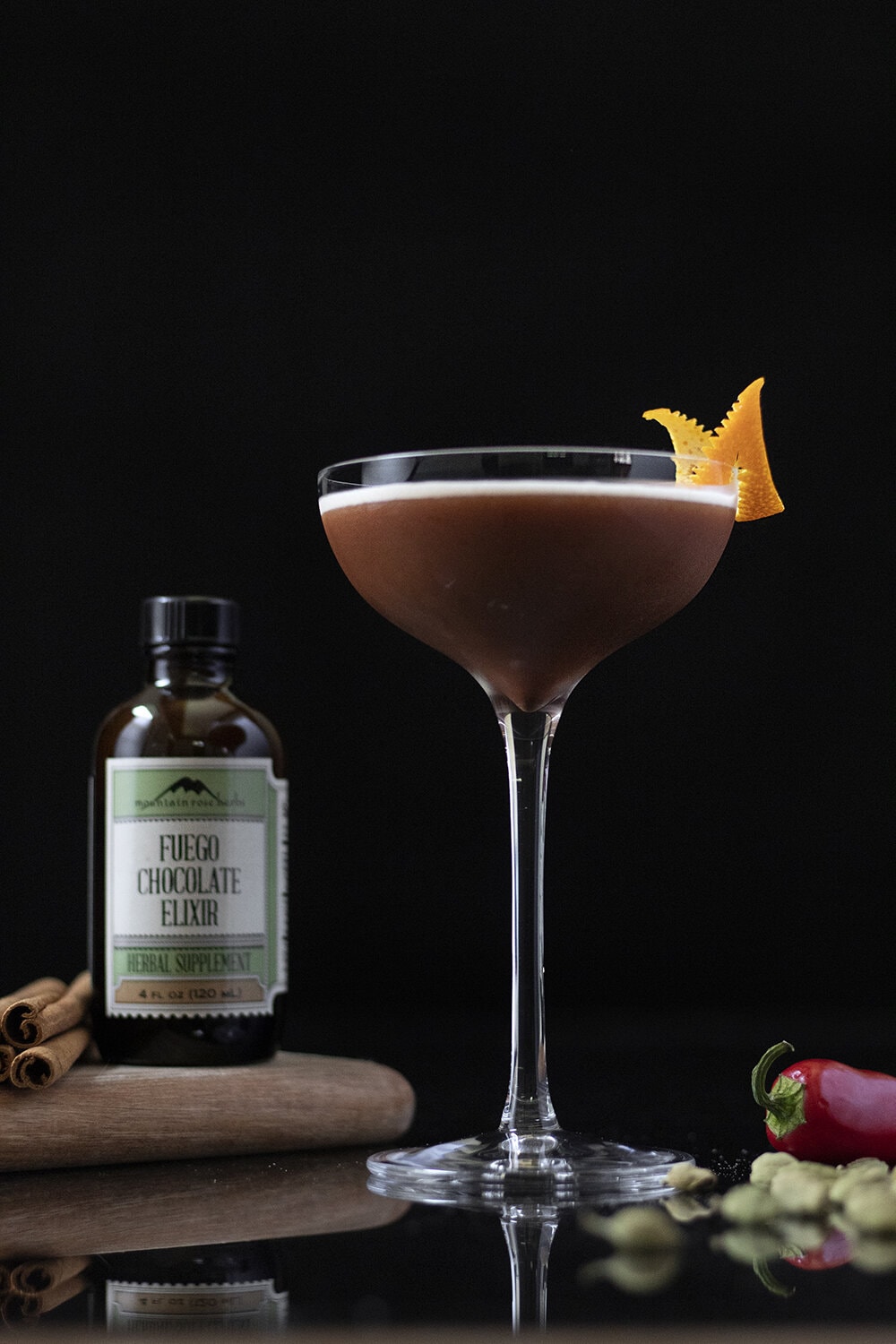
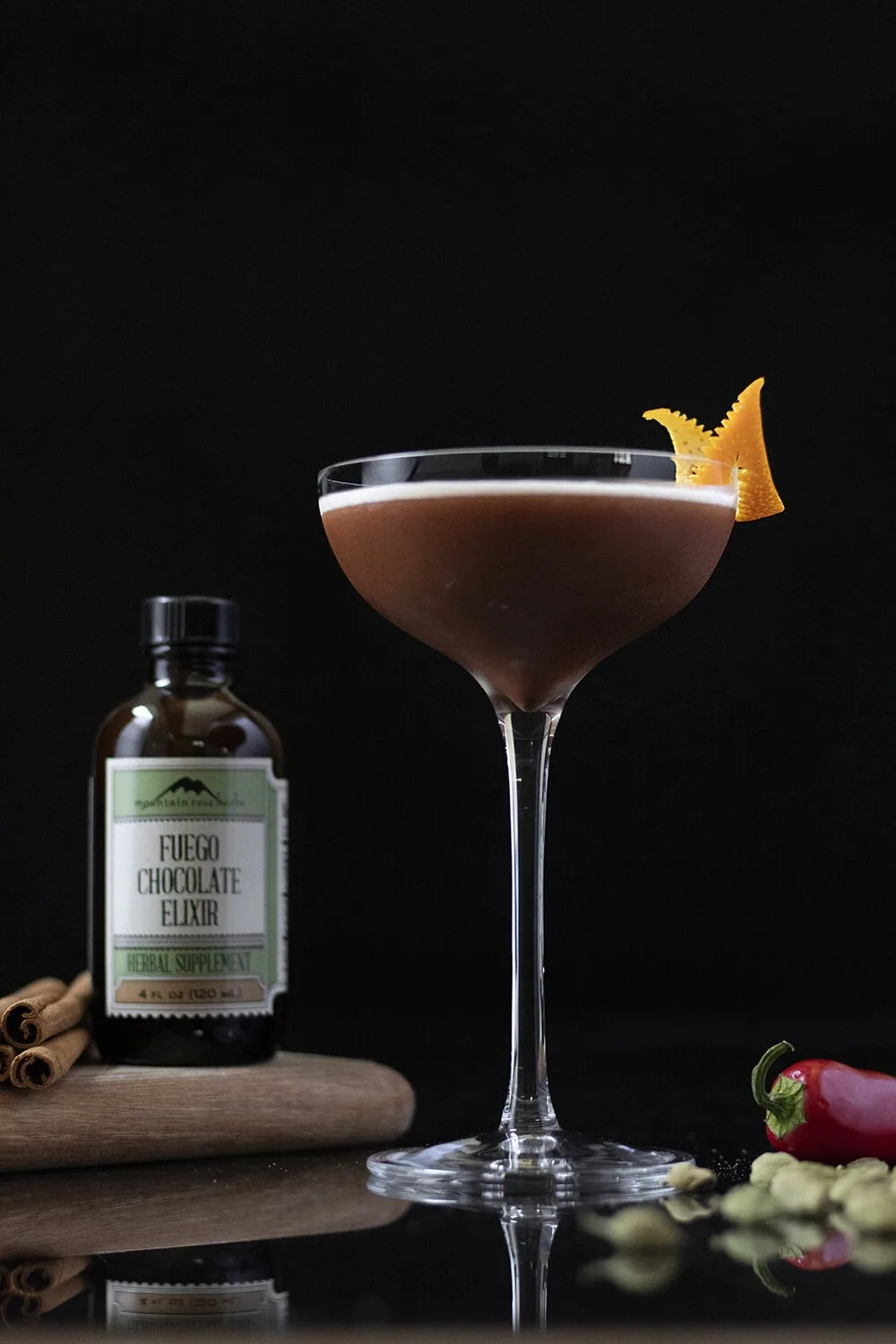
It’s September in New England. The evenings are getting cooler, I’m finding myself drinking more hot coffee than iced, and cozy after-dinner cocktails are on my mind. As summer winds down and the first signs of autumn begin to emerge, it marks the beginning of the whirlwind that is the holiday season. And as much as I love the last few months of the year, it can be a particularly stressful time. When I need a little boost to help manage those daily stresses, it’s time for drinks with adaptogens!
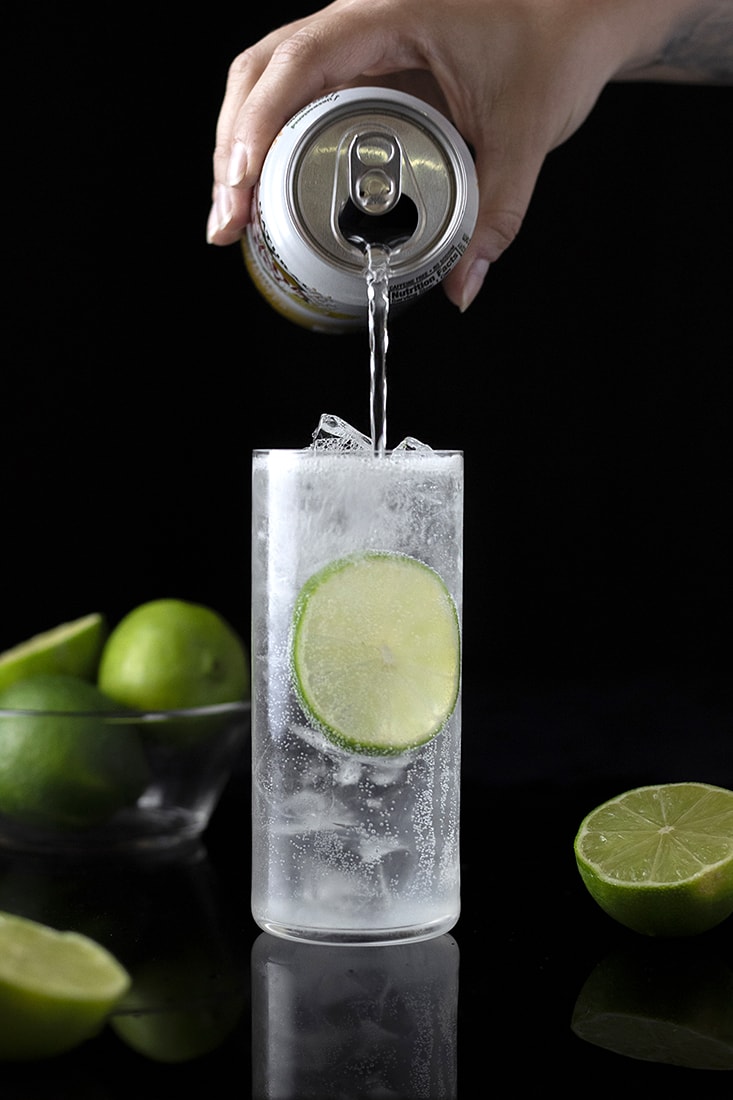
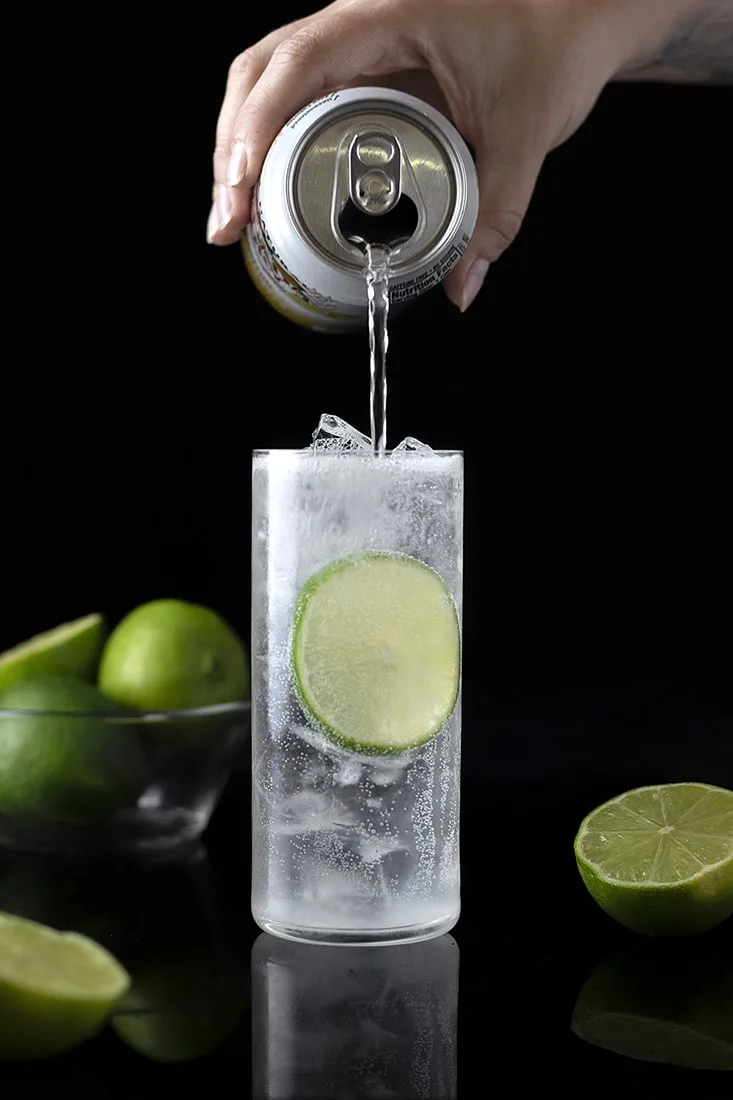
Summer time around here typically means one cocktail above all else - the beloved gin and tonic. But there's another refreshing gin cocktail that deserves more recognition: the Gin Rickey.


Blueberry season is in full swing and I’m making the most of several pounds of freshly picked berries with a pairing that’s just as good during these hot, late August days as when the first leaves begin to fall. With cooler weather just around the corner, I went with bourbon for this simple, equal parts …
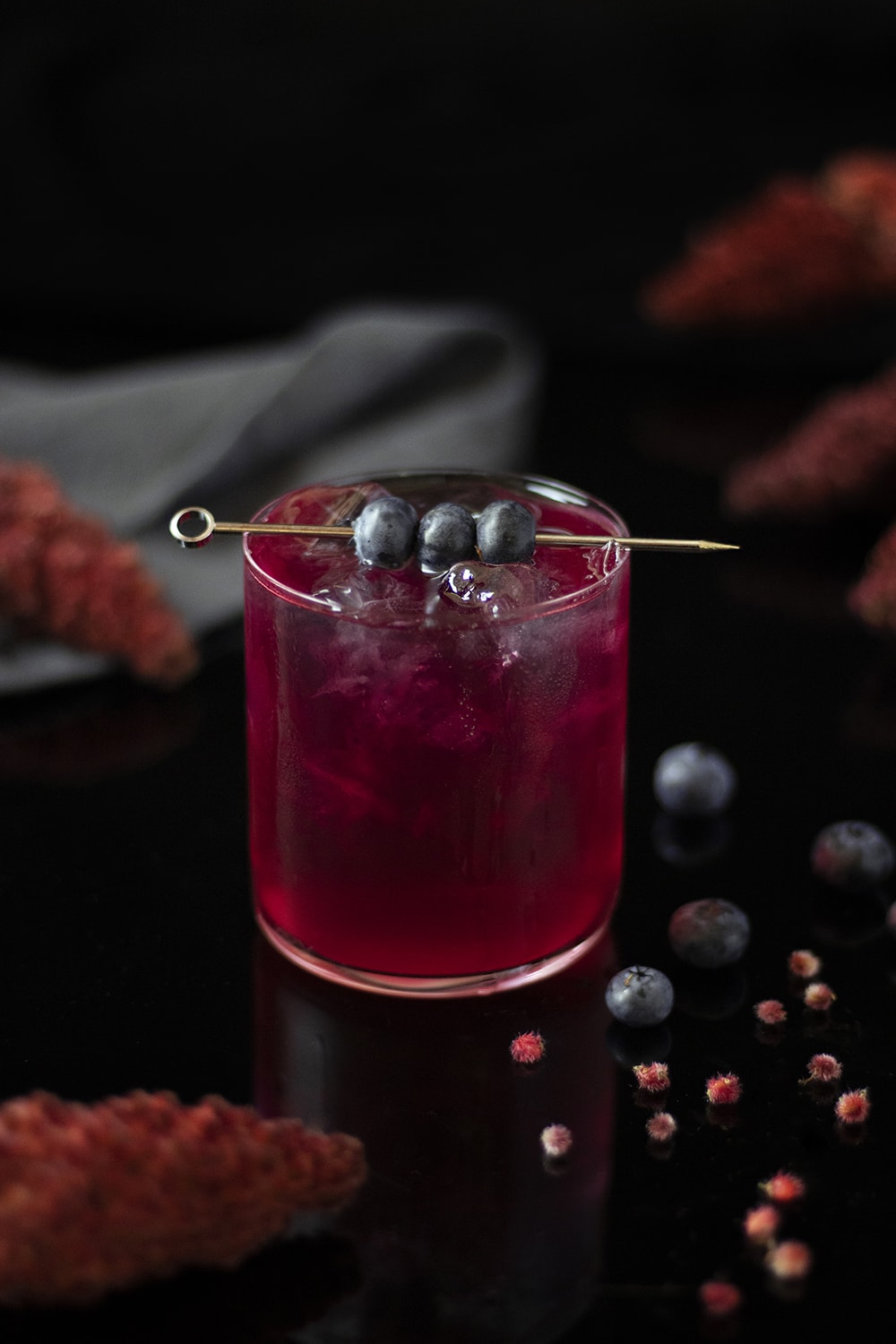
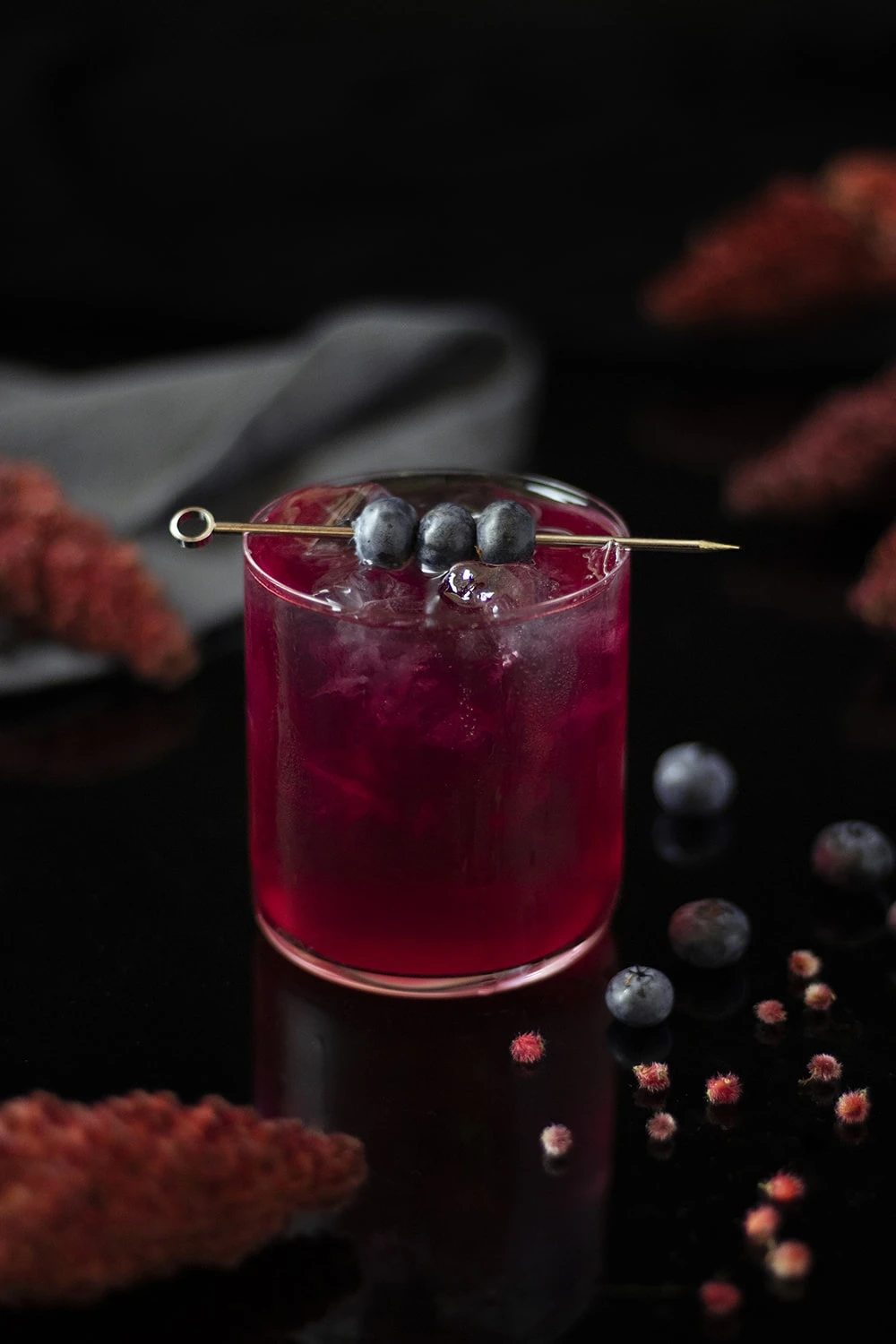
August is here, and in southern New Hampshire, the ripe, crimson cones of sumac trees are dotting the edges of roadways and fields everywhere you look. The Staghorn sumac, or Rhus typhina, is very easy to identify thanks to those spiky red cones coated in fuzzy fibers, reminiscent of velvety deer antlers. Sometimes confused with Poison sumac (Toxicodendron vernix), the staghorn, smooth, and winged sumacs that grow throughout the US are actually all edible - and quite delicious! Fortunately, there is no confusing the edible from the non-edible sumacs, as Poison sumac produces white berries, and edible varieties produce red ones.